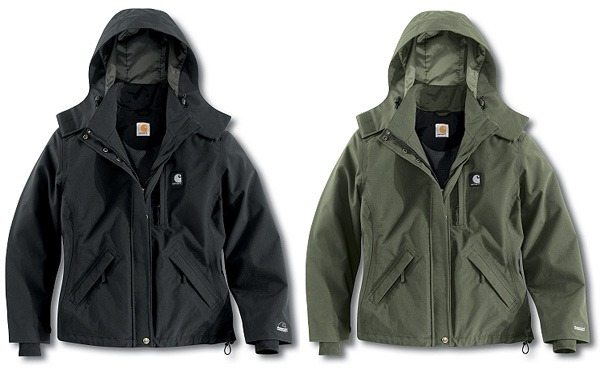
I remember the first time I got it properly wrong. Somewhere on a ridge in Galicia, rain hammering sideways, wearing a cheap poncho that flapped like a panicked bird, I thought: there has to be a better way to do this. There is. But the market for rain gear is bewildering, and every rain jacket review promises you'll stay dry, comfortable, and somehow look good doing it. The truth is more nuanced, and more useful, than any marketing copy.
This guide is for hikers, backpackers, and campers in the U.S. who want to understand how waterproof jackets actually work, which features genuinely matter, and how to pick the right rain jacket for your conditions. Whether you're planning weekend day hikes, backpacking trips in the Pacific Northwest, or a multi-day trek like the Camino de Santiago, the principles are the same. Let's walk through them.
What "Waterproofs" Do You Actually Need for Hiking and Camping?
When hikers talk about "waterproofs," they usually mean one thing above all else: a waterproof and breathable outer shell, your rain jacket. This is the single most important piece of weather protection in your pack. It sits on top of your layering system and does the heavy lifting when rain, wind, or both arrive.
But a rain jacket doesn't work in isolation. It's the outermost layer of a system designed to manage two threats simultaneously: water coming from outside (rain) and water coming from inside (sweat). Getting this balance wrong is how people end up soaked, chilled, and miserable, even wearing expensive gear.
- Day hikes: A packable rain shell you can stash in your pack and pull out when rain showers hit
- Backpacking in sustained rain: A dependable rain jacket with good ventilation and durability under pack straps
- Campsite chores: Something you can throw on quickly when ducking between the tent and the cook area
- Windy ridgelines: A shell that blocks wind and rain together, with an adjustable hood that stays put
- Multi-day treks (Camino, Appalachian Trail, etc.): A jacket that balances rain protection, breathability, packability, and comfort over long hours of walking
The goal isn't staying perfectly dry. That's a myth. The goal is staying dry enough, managing moisture from both directions so you remain comfortable and, crucially, avoid the chilling that leads to hypothermia. Every choice you make about your waterproof jacket should come back to this.
How Does the Hiking Layering System Work with Waterproof Jackets?
Your rain jacket is only as good as the layers beneath it. This is the part most beginners get wrong. They buy a great shell, pair it with a cotton t-shirt, and wonder why they feel clammy and cold within thirty minutes of hiking uphill.
The three-layer system is straightforward:
|
Layer |
Purpose |
Best Fabrics |
What to Avoid |
|
Base layer |
Wicks sweat off skin |
Merino wool, synthetic polyester |
Cotton (holds moisture, chills you) |
|
Mid layer |
Insulation and warmth |
Fleece, synthetic puffy jackets, lightweight down |
Heavy cotton sweatshirts |
|
Outer shell |
Blocks rain and wind; allows some moisture vapor to escape |
Waterproof/breathable membranes or coated fabrics |
Non-breathable rubber or PVC |
When layering is mismatched, you get that clammy, damp feeling that's worse than just being rained on. A cotton base layer traps sweat against your skin. A too-heavy mid layer forces you to sweat harder, overwhelming your shell's breathability. And when you stop for a break, all that trapped moisture chills rapidly.
The trick is active management. Add layers when you stop. Remove them before you start sweating on a climb. Open your pit zips or unzip the front of your rain jacket when exertion spikes. This sounds obvious, but on a cold, rainy morning, the temptation is to bundle up and push through. That's how you end up wetter from the inside than the outside.
How Do Waterproof Rain Jackets Work (Membranes vs Chemical Finishes)?
There are two fundamental approaches to making a jacket waterproof, and understanding the difference helps you make smarter buying decisions.
Waterproof Membranes
A waterproof membrane is a thin film, often laminated to the jacket's face fabric, with microscopic pores. These pores are too small for liquid water droplets to pass through but large enough for water vapor (your sweat, in gaseous form) to escape. Gore-Tex is the most recognized brand, but there are many others: eVent, Pertex Shield, and proprietary membranes from companies like Arc'teryx, Patagonia, and REI. A waterproof membrane is what separates a true waterproof jacket from a water-resistant jacket.
Chemical Finishes and Coatings
The cheaper alternative is a polyurethane (PU) coating applied to the inside of the fabric. This creates a water-resistant barrier that works well initially and is often lighter and less expensive. However, coated jackets tend to be less breathable than membrane-based shells, and the coating can degrade faster with use and washing.
- Membrane jackets: Better long-term breathability and durability; higher price; the standard for serious hiking rain jackets
- Coated jackets: Lower cost; lighter weight in some cases; adequate for light rain and occasional use; less durable waterproofing over time
On top of either system sits a durable water repellent (DWR) finish. This is the "first line of defense," a chemical treatment on the outer face fabric that makes water bead up and roll off rather than soaking into the fabric (a process called "wetting out"). When DWR works properly, the membrane underneath stays dry and breathes efficiently. When DWR degrades, which it does over time from dirt, body oils, and abrasion, water stops beading. The fabric looks wet, breathability drops, and you feel damp inside even though the membrane itself hasn't failed.
What Waterproof Rating and Breathability Should You Look For?
This is where the numbers game gets confusing, and where most marketing tries hardest to impress you. Waterproof ratings are measured in millimetres (mm) using a hydrostatic head test: how tall a column of water the fabric can support before water pushes through. Breathability is measured in grams per square metre per 24 hours (g/m²/24h), indicating how much moisture vapor can escape.
|
Rating |
Waterproof Level |
Best For |
|
5,000 mm |
Light rain, brief exposure |
Casual use, emergency rain layer |
|
10,000 mm (10K) |
Moderate rain, general hiking |
Day hikes, light backpacking |
|
20,000 mm (20K) |
Heavy rain, sustained exposure |
Backpacking, exposed ridges, multi-day treks |
|
28,000 mm+ |
Extreme conditions |
Alpine, mountaineering, unrelenting rain |
So, is 10K or 20K waterproof better? It depends on your conditions. For general hiking in moderate rain, 10K is usually adequate. For sustained rain, driving rain, or heavy rain with wind forcing water against the fabric (which increases pressure), 20K gives you meaningful extra margin. Is 20,000 mm a good waterproof rating? Yes. For most hiking and backpacking, it's very good. Is 20K waterproof as good as Gore-Tex? That comparison isn't quite apples-to-apples, since Gore-Tex products are tested to their own proprietary standards, but many Gore-Tex fabrics test well above 20K. The brand matters less than the actual performance in your conditions.
Here's the part that matters more than the numbers: breathability. A jacket with a 30,000 mm waterproof rating and poor breathability will leave you soaked in sweat on any climb. Trapped sweat saturates your base layer, defeats your insulation, and creates exactly the chilling risk you bought the jacket to prevent. When you're hiking uphill in humid conditions, breathability is arguably more important than waterproofness.
- Prioritize breathability: High-output hiking, humid environments, warmer temperatures, long climbs
- Prioritize weather protection: Cold wind and heavy rain, exposed alpine routes, rain and snow combinations, low exertion (campsite use)
Real-world performance also shifts based on factors no lab test captures: humidity (high humidity reduces the vapor pressure gradient that drives breathability), backpack straps compressing the fabric (crushing the membrane), and whether you're actually using your jacket's ventilation features.
Which Rain Jacket Features Matter Most for Hiking and Backpacking?
Not every rain jacket is designed for hiking. A stylish urban rain shell might keep the rain out on a city walk but fail miserably under a loaded pack on a wet ridgeline. Here are the features that actually matter when you're choosing a hiking rain jacket.
- Seam taping: Every stitch punches a tiny hole through the fabric. Seam taping covers those holes with waterproof tape on the inside. Without it, water eventually finds its way in. Fully seam-sealed is essential for any jacket you'll rely on in sustained rain.
- Hood design: A good hood adjusts at the back, sides, and brim. It should turn with your head (not stay pointing forward while you look sideways). A brimmed hood works well with or without a cap. A poor hood is one of the fastest ways to hate a rain jacket.
- Zippers: Look for water-resistant zippers or a storm flap covering the main zip. The main zipper is a common leak point. Reliability matters more than brand name here.
- Pit zips: Do pit zips really matter? Absolutely. They're the most effective ventilation feature on a rain jacket, letting you dump heat without opening the front and letting rain in. Two-way front zips serve a similar purpose.
- Cuffs and hem drawcords: Adjustable cuffs and a drawcord hem seal out wind-driven rain. Velcro cuffs are more precise than elastic.
- Pockets: If you're wearing a hipbelt, chest-height pockets (Napoleon-style) keep your essentials accessible. Standard hand pockets sit under most hipbelts and become useless.
- Fit and mobility: You need room for a base layer and mid layer underneath without feeling restricted. Articulated elbows and shoulders help with trekking pole motion and scrambling.
- Packability and weight: An ultralight rain jacket stuffs smaller and weighs less, which matters on long treks. But ultralight fabrics are thinner, meaning less durability. A 7-ounce ultralight shell is brilliant for fast-and-light day hikes; it may not survive weeks of abrasion under a heavy backpacking pack.
Backpacking-Specific Considerations
Backpackers should pay special attention to abrasion points. Shoulder straps and the hipbelt grind against the jacket fabric constantly, compressing the membrane and wearing down the DWR finish fastest right where you need protection most. A slightly more robust fabric in these areas, or at minimum a jacket with decent denier face fabric, pays dividends over a season of backpacking trips.
Hem length matters too. A longer hem keeps rain off your lower back when you're bending over to pick up your pack or sitting on a wet log. A very short hem saves weight but sacrifices coverage.
What's the Difference Between 2-Layer, 2.5-Layer, and 3-Layer Jackets?
These numbers describe how the jacket is constructed, not how many layers you wear underneath.
|
Construction |
What It Means |
Best For |
Trade-offs |
|
2-layer jacket |
Membrane bonded to outer fabric; separate hanging liner inside |
Casual hiking, budget-friendly options |
Heavier, less packable, liner can feel clammy |
|
2.5-layer jacket |
Membrane bonded to outer fabric; thin protective print instead of full liner |
General hiking, packable emergency rain layer |
Less durable long-term; lighter and more compact |
|
3-layer jackets |
Outer fabric, membrane, and inner liner all bonded into one piece |
Alpine, heavy backpacking, sustained rain |
Most durable and comfortable against skin; highest cost |
For most hikers, a 2.5-layer jacket offers the best balance of weight, packability, and performance. If you're heading into rugged conditions or planning extended backpacking trips, 3-layer jackets are worth the investment. The best rain jacket for you depends more on how you'll use it than on which construction earns the highest lab score.
How Do You Choose Waterproofs for Your Conditions (From General Hiking to Alpine)?
Rather than chasing the "best rain jackets of 2026," match the jacket to your actual conditions. A great rain jacket for a summer day hike in Virginia is not the same as the right rain jacket for a November traverse of the Scottish Highlands.
|
Condition |
What to Prioritize |
Example Scenarios |
|
General hiking and camping |
Balanced protection, comfort, reasonable durability, packable |
Weekend hikes, car camping, 3-season trail use |
|
Backpacking in sustained rain |
Dependable waterproofing, good ventilation (pit zips), durability under pack wear |
Pacific Northwest, Appalachian Trail in spring, Camino in autumn |
|
Alpine/mountaineering conditions |
Wind resistance, stormproof hood, robust fabric, fully sealed seams |
Exposed ridges, high passes, rain and snow, winter hiking |
Terrain and weather cues that should push you toward a more protective shell: if you'll be above treeline with no shelter, if the forecast includes wind and rain together, if temperatures drop below 40°F (4°C) with rain, or if you're more than a few hours from a trailhead. Cold rain with wind is the combination that creates real hypothermia risk, and that's when a reliable rain jacket moves from "nice to have" to "keeping you safe."
Match the jacket to your typical trip length, season, and pace. A fast hiker generates more sweat and needs more breathability. A slow, steady walker in cool rain needs more weather protection. Someone who enjoys hiking in all four seasons might end up owning two shells: a lightweight, packable one for warm-weather use and a burlier 3-layer for the cold months.
What Should Camino de Santiago Walkers Consider When Picking Waterproofs?
The Camino is a particular kind of outdoor adventure: long days of steady walking, often 15 to 25 kilometres, at a moderate pace, carrying everything on your back. Conditions on the Camino Francés shift from Pyrenean mountain rain to Meseta wind to Galician drizzle that can last for days.
- Sweat management first: On a long, flat stage, even light rain can mean hours in your shell. Breathability and ventilation matter more here than raw waterproof rating. A jacket that keeps the rain out but traps all your sweat is miserable by kilometre ten.
- Packability: Camino walkers are constantly putting on and pulling off layers as conditions change, sometimes several times an hour. A packable rain shell that stashes quickly is worth its weight in gold.
- Comfort under a pack: Pay attention to collar height, hood comfort, and whether the fabric makes noise when you walk. A stiff, crinkly shell against your neck for eight hours will drive you mad. Check for chafe points where pack straps sit.
- Ventilation strategy: Pit zips are almost essential for Camino walking. Being able to regulate heat without removing the jacket entirely (and getting rained on while you do it) makes a real difference over a 30-day trek.
I'd take a well-ventilated 2.5-layer jacket with reliable DWR over a heavyweight 3-layer alpine shell on the Camino any day. You need the jacket to work with you, not against you, across variable conditions and variable energy levels.
How Can You Stay Cool and Dry While Wearing a Rain Jacket?
Even the best lightweight rain jacket has limits. No membrane on earth can keep up with the moisture output of a fit hiker grinding uphill on a humid day. The trick is not relying on the jacket alone.
- Open vents early: Don't wait until you're drenched in sweat to unzip pit zips or crack the front zip. Start venting as soon as you feel warmth building.
- Regulate pace: On climbs in rain, slow down slightly. The energy saved translates directly into less sweat. This is especially important on long days.
- Layer smarter: If you're wearing a rain jacket, you rarely need a heavy mid layer underneath unless temperatures are near freezing. A thin fleece or lightweight puffy jacket plus your shell is usually warmer (and drier) than a thick insulation layer that forces sweating.
- Adjust cuffs: Loosening wrist cuffs lets air circulate up your sleeves. Tighten them again when rain intensifies or wind picks up.
- Dry at camp: Hang your shell and base layers to air-dry at camp. Even partial drying reduces overnight chill risk. A wet rain layer stuffed in your pack overnight stays wet and cold in the morning.
Signs you're overheating: a foggy, clammy feeling inside the jacket, moisture visible on the inside of the shell, and a flushed face. Signs you're underdressed: shivering, numb fingers, and that slightly panicked mental fuzz that comes before genuine cold. Quick adjustments in either direction, adding a layer, opening a vent, are always better than waiting to see if the discomfort resolves itself.
How Do You Test Fit and Performance Before Committing to a Jacket?
You wouldn't buy hiking shoes without trying them on. Don't buy a rain jacket without testing it either, especially if you're spending over $150 on a technical rain jacket. Here's a quick in-store or at-home protocol:
- Arm raise test: Raise both arms overhead, simulating trekking pole motion. Does the hem ride up past your waist? If so, the jacket is too short for backpacking use.
- Hood test: Pull the hood up and turn your head side to side. Does the hood turn with you, or does it stay fixed while your head swivels inside it? Check that the brim doesn't block peripheral vision.
- Pack test: If possible, wear the jacket with a loaded pack in the store. Check that shoulder straps don't bunch the fabric uncomfortably, that hipbelt-height pockets are still accessible, and that the collar doesn't ride up into your chin.
- Seam inspection: Turn the jacket inside out. Run your fingers along the seam tape. It should be smooth, continuous, and firmly bonded. Peeling or bubbling tape means problems down the line.
- Zipper check: Run every zipper up and down several times. Main zip, pit zips, pockets. They should glide smoothly. A stiff zipper in the shop will be worse in the cold with wet hands.
- Layer test: Wear your typical base layer and mid layer under the jacket. You want snug but not tight. Room to move without excess fabric flapping in wind.
If you're buying online, check the return policy carefully. Many outdoor gear retailers offer generous return windows that let you try a jacket on a hike before fully committing.
FAQ: Common Questions About Choosing Waterproofs for Hiking and Camping
Are "water-resistant" jackets good enough for hiking?
A water-resistant jacket can handle light rain and brief rain showers, but it will eventually soak through in sustained or heavy rain. If your hikes are short and the weather is mild, water resistance may be enough. For anything involving prolonged exposure, cold temperatures, or real weather, you need a properly waterproof jacket with sealed seams. The difference between waterproof and water-resistant is the difference between being uncomfortable and being at risk.
Do I need seam-sealed or taped seams if the fabric is waterproof?
Yes. Even the most waterproof membrane is punctured by every needle hole from stitching. Seam taping covers those holes with a waterproof adhesive strip. Without it, water wicks through the thread and seam holes, especially under pressure from heavy rain or a loaded pack pressing against the fabric. Fully seam-taped construction is essential for any jacket you intend to rely on in real rain.
Why do I feel wet inside a waterproof jacket?
Most of the time, you're feeling condensation from your own sweat, not a leak. When your body generates moisture faster than the membrane can transfer it outward (common during high exertion or in humid conditions), that vapor condenses on the inside of the shell. Fixes include opening pit zips, reducing pace, layering with moisture-wicking fabrics, and making sure your DWR finish is still functional. True leaks usually appear at specific points: seams, zippers, or areas where the fabric has been abraded.
How should a hiking rain jacket fit over layers?
You want enough room for a base layer and a mid layer (like a fleece or thin puffy jacket) without the shell feeling tight across the shoulders, chest, or arms. But avoid going too large. An overly baggy jacket flaps in wind, loses heat through the hem, and feels sloppy under a pack. Most brands offer "active fit" or "regular fit" options. Try the jacket on over your actual hiking layers before deciding.
How do I maintain a waterproof jacket so it keeps working?
Dirt, body oils, sunscreen, and insect repellent all degrade your DWR finish and reduce breathability. Wash your jacket regularly according to the manufacturer's instructions, typically with a technical wash product (not regular detergent). After washing, tumble dry on low heat or iron on a low setting; heat reactivates the DWR. If water no longer beads on the surface after washing, apply a DWR reproofing treatment. A clean, well-maintained jacket performs dramatically better than a dirty one.
Do waterproof jackets lose their waterproofing over time?
The membrane itself typically remains waterproof for years. What degrades is the DWR finish on the outer fabric and, eventually, the seam tape adhesive. Regular cleaning and DWR retreatment extend the life of jacket performance significantly. With proper care, a quality rain jacket can last five to ten years of regular use.
Choosing the Right Waterproofs for Your Next Trip
If you're still unsure which direction to go, think about these questions: Where are you hiking, and in what season? What temperatures and rain conditions are typical? How hard do you hike, and how much do you sweat? Are you carrying a heavy pack? And what's your budget?
For general hiking and camping in three-season conditions, a well-ventilated 2.5-layer shell with a 10K to 20K waterproof rating, pit zips, and a good hood will cover the vast majority of situations. For sustained rain or colder, more exposed conditions, step up to a 3-layer membrane jacket with fully taped seams and robust fabric. For the Camino or similar long-distance walks, prioritize breathability, packability, and comfort under a pack above all else.
The best rain jacket is the one you'll actually wear, the one that fits well over your layers, vents when you need it to, and keeps the rain out without turning you into a walking sauna. It doesn't have to be the most expensive jacket on the market. It just has to be right for your walking, your weather, and your particular way of moving through the world.



Leave a Reply