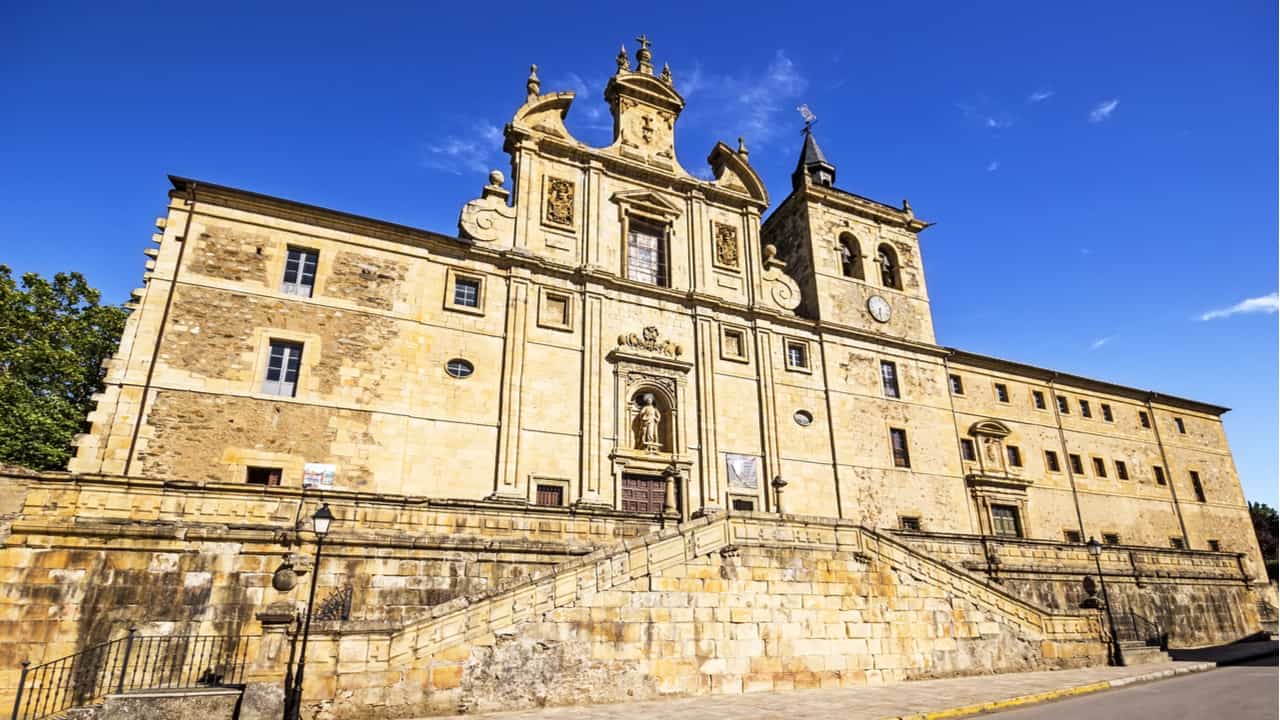
I arrived in Villafranca del Bierzo with wet socks and a head full of the climb still to come. The town sits in a fold of the Leon province, where three rivers meet and the hills start to lean in, and it has a way of slowing you down whether you planned to stop or not. Pilgrims have called it "little Compostela" for centuries, and after an hour wandering its narrow lanes I understood why. The place carries its history lightly, the way an old coat carries a familiar smell.
This is the town that sits just before the long pull into Galicia, the last real rest before the mountains. If you are walking the Camino Frances, Villafranca del Bierzo is a decision point: pass through, or stay the night and let it work on you. This guide is for both kinds of pilgrim, and for anyone drawn to old stone, quiet churches, and the kind of Spanish countryside that smells of woodsmoke at dusk.
What makes Villafranca del Bierzo a must-stop town on the Camino Frances?
Villafranca del Bierzo is a historic town in the El Bierzo region of Leon province, roughly two thirds of the way along the Camino Frances and a day's walk past Ponferrada. It matters to pilgrims for a simple reason: it is the gateway before the climb to O Cebreiro, the steep ascent into Galicia that most walkers quietly dread and secretly love. After hundreds of kilometres on foot, the body knows this town means the last hard push of the pilgrimage is near, with roughly a week of walking still to reach Santiago. The town gives you a soft landing before that effort, a place to wash, eat, and gather yourself.
The nickname "little Compostela" is not marketing. In the medieval period, a pilgrim who reached Villafranca too sick to continue could receive the same indulgence here as at the great cathedral in Santiago de Compostela, provided they touched the Puerta del Perdon at the Church of Santiago. That single fact tells you most of what you need to know about the town's place on the route. It was a town of mercy for people who had walked too far to walk further.
For most pilgrims, the question is how long to linger. Here is roughly what you can do with the time you have:
- A lunchtime stop (60 to 90 minutes): the Church of Santiago and its famous door, a quick look at the castle from outside, a sandwich in the Plaza Mayor.
- An afternoon and overnight: all of the above, plus the Collegiate Church, a slow stroll down Calle del Agua, and a proper dinner.
- A rest day: the Natural Sciences Museum, the riverside paths along the Burbia, and time to do nothing at all, which on the Camino is its own kind of repair.
Whichever you choose, the town rewards a little patience. It is not a place that performs for visitors. It simply gets on with being itself.
Why is Villafranca del Bierzo called "little Compostela" and what is the Puerta del Perdon?
The short answer: because of a door. The longer answer is one of the more moving stories on the whole French Way, and it is worth getting right. On Spanish signs you will see the route written as the Camino Francés, with the accent; in English most pilgrims drop it and write Camino Frances. Both name the same path.
The Church of Santiago, the Iglesia de Santiago at the upper edge of town, was built in the Romanesque style and dates from around 1186. It is a plain, honest building, not grand, with a square belfry and thick walls that have weathered eight hundred winters. On its north side is a doorway known as the Puerta del Perdón, the Door of Forgiveness. You will see it spelled Puerta del Perdon too, with or without the accent, but it is always the same door of Perdón, the same promise.
The tradition holds that a pope granted this church a special privilege. Any pilgrim who had set out for Santiago de Compostela but fell too ill or too weak to complete the journey could pass through this door and receive the same spiritual indulgence they would have earned by reaching the cathedral itself. For a medieval pilgrim, sick and far from home, that was no small mercy. It meant the journey counted. The walking had not been wasted.
You can still see the door today. A few practical notes if you want to experience it well:
- The church sits on the climb as you enter town from Ponferrada, so it is the first thing many pilgrims pass. Do not rush by it.
- The Puerta del Perdon is only ceremonially opened during a Holy Year, when Saint James's feast day falls on a Sunday. The next Camino Holy Year is in 2027.
- If the church is open, step inside quietly. People still pray here. Keep cameras low and voices lower.
- Early morning light hits the stonework well, and the crowds are thinner before the day's walkers arrive.
What strikes me about the Puerta del Perdon is how gentle the idea behind it is. The Camino can feel, at times, like a test you might fail. Here is a door that exists to say: you tried, you came this far, and that is enough. There is something in that worth carrying home, Holy Year or not.
What are the best things to see in Villafranca del Bierzo beyond the Church of Santiago?
The Church of Santiago gets the attention, but the town has more to offer than one famous door. Villafranca del Bierzo packed a surprising number of churches, convents, and old buildings into a small space, a legacy of its days as a stop where medieval pilgrims and merchants spent real money. Here is what to look for, roughly in the order you might come across it.
|
Landmark |
Style and era |
What to notice |
|
Church of Santiago |
Romanesque, around 1186 |
The Puerta del Perdon on the north side; the square belfry |
|
Santa Maria Collegiate Church |
Gothic, built over an older site |
The soaring nave and the unfinished feel of the facade |
|
San Nicolas El Real |
Baroque, 17th century |
The ornate front, a contrast to the plainer Romanesque work |
|
Los Marqueses Castle |
Medieval, with later additions |
The round corner towers; best viewed from the street below |
|
Calle del Agua |
Historic street |
Noble houses, coats of arms, the sound of running water |
Santa Maria Collegiate Church
The Santa Maria Collegiate Church is the town's grandest religious building, Gothic in style and rising above the rooftops in a way the smaller churches do not. It was built over the site of an older monastery, and the facade has that slightly unfinished quality so common in Spanish Gothic, as if the masons ran out of money or patience. Inside, the nave is taller than you expect for a town this size. Stand near the back and let your eye travel up.
San Nicolas El Real
If the Romanesque Church of Santiago is the town in its work clothes, San Nicolas El Real is the town dressed for a feast. This Baroque church and former Jesuit college dates from the 17th century, and its ornate front is the clearest visual contrast to the older, plainer buildings nearby. The shift in style across a few hundred metres is a small lesson in how Spanish architecture changed over the centuries.
Los Marqueses Castle
The Castillo de los Marqueses, the castle of the Marquesses, sits at the lower end of town with its round corner towers still intact. It is privately held and not generally open to wander through, so this is one for the eye rather than the boots. The best angles for photos come from the street below, looking up, late in the afternoon when the light catches the stone. It is a reminder that El Bierzo was once worth defending: a fertile valley of vineyards, on the road to Galicia and the riches of Santiago.
Natural Sciences Museum and Calle del Agua
For a rest day or a wet afternoon, the Natural Sciences Museum offers an unexpected detour, with collections of minerals, fossils, and regional natural history housed in old school rooms. It will not detain you for hours, but it is a dry, quiet hour when your feet have had enough.
Then there is Calle del Agua, Water Street, the most atmospheric lane in town. It runs alongside a channel of running water, lined with the noble houses of families who grew prosperous on the pilgrim trade. Coats of arms sit above doorways. The street has appeared in poems and in the writing of more than one Spanish author. For pilgrims with tired legs, a slow walk down Calle del Agua and back is the ideal evening stroll: flat, short, and full of small things to notice. The town is a pleasant point for pilgrims to remember they are travelling through somewhere real, not just past it.
How do you walk the Camino Frances to and from Villafranca del Bierzo?
Villafranca del Bierzo sits at a hinge in the Camino Frances. The walk from Ponferrada to Villafranca del Bierzo is one of the gentler days on this part of the route, rolling through the El Bierzo wine country before the land tilts upward. The next day's walk, by contrast, is one of the hardest and most rewarding on the whole French Way: the climb to O Cebreiro.
The approach: Ponferrada to Villafranca del Bierzo
Leaving Ponferrada, the Camino Frances from Ponferrada passes through a string of small villages with names worth knowing if you are reading a guidebook: Columbrianos, Fuentes Nuevas, Camponaraya, then Cacabelos and Pieros before the final approach. Much of this stage threads between vineyards, the vinos de El Bierzo being a genuine regional pride. There is an alternative path that climbs through Valtuille de Arriba, a quieter route over the hills with better views, if your knees are willing.
The walking here is forgiving. Vines on either side, the occasional bar, the smell of warm earth in summer and wet leaves in autumn. It is the kind of day where each kilometer passes without complaint, which is just as well, because the body needs to save something for tomorrow.
Leaving town: the climb to O Cebreiro
The morning you leave Villafranca del Bierzo, you face a choice and a climb. The classic route follows the valley of the river Valcarce, gentle at first, gradually steepening, before the final hard ascent to O Cebreiro and the crossing into Galicia. There is also a high, scenic alternative over the hills, beautiful and exposed, not for a wet or windy day. Either way, the day ends in the green, rain-prone closeness of Galicia, where the landscape changes character entirely.
Grab what you need before you go. Small towns keep their own hours, and the next stretch of the Camino de Santiago has fewer services than you might like. Here is what is worth sorting before you leave:
- Cash from one of the town's ATMs; mountain villages are not reliable for card payments.
- Water topped up, plus a snack for the climb to O Cebreiro.
- An early start if the day is hot; the ascent is harder in full sun.
- A look at the weather, since the high alternative route is no place to be in a storm.
To help you plan the time around your stop, here is how the two common approaches compare:
|
Your plan |
What it looks like |
Best for |
|
Passing through (60 to 120 minutes) |
Church of Santiago, a glance at the castle, lunch in the Plaza Mayor, then onward |
Walkers on a tight schedule or pushing toward O Cebreiro |
|
Staying overnight |
Late afternoon for the churches and Calle del Agua; early morning highlights before the climb |
Pilgrims who want rest before the hardest day in this section |
Where should pilgrims sleep in Villafranca del Bierzo: albergues versus hotels?
Villafranca del Bierzo has the full range of accommodation you find along the Camino de Santiago, from a basic bunk to a grand old parador. What you choose depends on your budget, how tired you are, and how much privacy your sanity requires after a few nights in shared dormitories.
Here are the main types of places to stay, from cheapest to most comfortable:
- Municipal albergue: the budget, communal, pilgrim-focused option. Bunk beds, shared bathrooms, and a low donation or small fixed fee. First come, first served, with a pilgrim passport required.
- Private albergues and pilgrim hostels: a step up in comfort, often with smaller dorms, sometimes a few private rooms, and the option to book ahead. A private albergue or hostel along the route usually offers better facilities than the municipal bunkhouse. Villafranca has several, including the well-known Albergue de la Piedra and others near the entrance to town.
- Hostal and small hotels: a hostal here means a small guesthouse or budget hotel, not a backpacker hostel; you get private rooms, your own bathroom, a proper night's sleep, and often laundry. The right choice when you need to recover.
- Parador-style stay: the Parador de Villafranca del Bierzo is the splurge, a comfortable hotel for a rest day or a treat after a hard run of walking. If you have never come across the term, it is worth understanding what a parador is on the Camino before you book.
- Casa rural: a rural guesthouse with countryside charm, good for non-pilgrim travellers, couples, or small groups who want quiet and character.
A few things genuinely matter when you choose, more than the star rating. Arrival time decides a lot: turn up at two in the afternoon and you have your pick, turn up at six in high summer and the municipal albergue may be full. The season shapes the crowds, with spring and autumn busy but manageable and July and August packed. And your own needs matter more than pride. If you are a light sleeper, the dormitory snoring will undo you, and a private room is money well spent.
For pilgrims, the amenities worth checking before you commit are practical ones:
- Hot showers with decent water pressure, never a given.
- A washing machine, or at least a sink and a line for hand-washing.
- A kitchen or an included breakfast, especially before an early start.
- Somewhere safe to store a bicycle if you are cycling the route.
Whether reservations make sense depends on how you walk. Purists carry no plan and take what the day offers, which is part of the adventure and occasionally part of the disaster. If you are walking in peak season, or you simply sleep better knowing there is a bed, booking a private room a day ahead removes a real source of worry.
Where can you eat in Villafranca del Bierzo and what local flavours should you try?
The food in El Bierzo is a quiet pleasure, and Villafranca del Bierzo eats well for a town its size. The valley is wine country, and the regional reds, the vinos de El Bierzo made largely from the Mencia grape, are worth a glass with dinner even if you are not usually a wine drinker.
For everyday pilgrim eating, the rhythm is familiar. Most bars and restaurants offer a menu del dia, the set three-course meal with wine or water that has fed walkers for generations, usually good value and filling. Cafes around the Plaza Mayor open early enough for a coffee and a pastry before you walk, though "early" in Spain is later than a hungry pilgrim might wish. If you are leaving at dawn, buy your breakfast the night before.
A few practical notes for eating in a small Spanish town:
- Lunch is the big meal, served roughly from 1pm to 3pm; dinner rarely starts before 8pm.
- For dietary needs, a few words of Spanish help: "sin carne" for no meat, "sin gluten" for gluten free.
- Stock up for the next stage before the shops close for the long afternoon break.
- The local cured meats and the hearty stews suit a body that has been walking all day; this is not light food, and it is not meant to be.
For the climb to O Cebreiro, think ahead about water and snacks. The ascent is long and there are stretches with little between you and the next bar. A piece of fruit, some nuts, and a full water bottle make the difference between a hard morning and a miserable one.
When is the best time to visit Villafranca del Bierzo and what should you plan ahead?
The best months for walking this part of the Camino Frances are spring and early autumn: roughly April to June, and September into October. The weather is kinder, the El Bierzo vineyards are either greening or turning gold, and the albergues are busy but not overwhelmed. High summer brings heat and crowds in equal measure, and the climb to O Cebreiro in a July afternoon is a genuine slog. Winter is quiet and beautiful, but cold, with some pilgrim accommodation closed and the high routes risky.
Packing for this stop is mostly packing for the Camino in general, with a couple of local notes. The approach to Galicia means rain, so good waterproofs earn their place in the pack. A few specifics worth a thought:
- Rain layers you can pull on quickly, because Galician weather does not announce itself.
- Blister care, since the descent into town and the climb out both test the feet.
- A modest layer for visiting churches, where bare shoulders and very short shorts can feel out of place.
- A small torch for early starts and dim dormitories.
The daily rhythm of a pilgrim in Villafranca del Bierzo settles into a familiar shape: arrive in the early afternoon, wash yourself and your socks, rest the legs, explore the town in the cooler evening, eat, and sleep early. It is a simple pattern, and after a few weeks it becomes its own small comfort.
One planning note worth heeding: during a Holy Year, when far more pilgrims walk, accommodation across the whole Camino de Santiago fills faster and earlier. The next Holy Year is 2027. If you are walking then, think about lodging further ahead than you otherwise would, especially in popular stop towns like this one. As for etiquette, the rule is simple. These churches are places of worship before they are sights. Quiet voices, modest dress, and a little restraint with the camera go a long way.
FAQs about Villafranca del Bierzo on the Camino Frances
Is Villafranca del Bierzo worth staying overnight, or is it better as a quick stop?
It depends on your schedule, but I would stay if you can. The town is the natural rest before the climb to O Cebreiro, and an overnight gives you the churches in evening light, a slow walk down Calle del Agua, and a proper dinner with a glass of El Bierzo wine. If you are short on days, even a 90-minute stop for the Church of Santiago and the Plaza Mayor is worth making.
What is the Puerta del Perdon and can any pilgrim visit it?
The Puerta del Perdon, the Door of Forgiveness, is a doorway on the Church of Santiago. By old tradition, a pilgrim too sick to reach Santiago de Compostela could pass through it and receive the same indulgence. You can see the door at any time from outside, but it is only ceremonially opened during a Holy Year, the next of which is 2027.
What are the top landmarks I should not miss if I only have one hour?
With a single hour, prioritise the Church of Santiago and its Puerta del Perdon as you enter town, then the Plaza Mayor for a coffee, and a quick look up at Los Marqueses Castle from the street below. If you have a few minutes spare, walk the first stretch of Calle del Agua. That gives you the spiritual heart, the social centre, and the most atmospheric street in one short loop.
Are there good accommodation options for different budgets?
Yes. The municipal albergue and several private albergues cover the budget end, with dormitory beds and a communal feel. Hostales and small hotels offer private rooms for those who need real rest, and the Parador de Villafranca del Bierzo is the comfortable splurge. Casas rurales suit groups or travellers wanting countryside charm. In peak season, booking a private room a day ahead is wise.
How do I plan my Camino day around arriving in Villafranca del Bierzo?
Most walkers arrive from Ponferrada in the early afternoon after a gentle stage through the vineyards. Aim to reach town by mid-afternoon so you have a choice of beds, time to wash and rest, and the evening free to explore. Then make an early start the next morning for the climb to O Cebreiro, with water, snacks, and cash sorted the night before.
Villafranca del Bierzo is the kind of place that asks very little of you and gives a surprising amount back. It is a town built around the idea that a journey counts even when it is hard, even when you cannot finish it the way you hoped. Stand at the Puerta del Perdon for a moment before you climb out toward Galicia, and you might find that idea walks the rest of the way with you.


